
The a2 Milk® Difference
What is a2 Milk®?
a2 Milk® is 100% natural cow’s milk, but with one important difference.
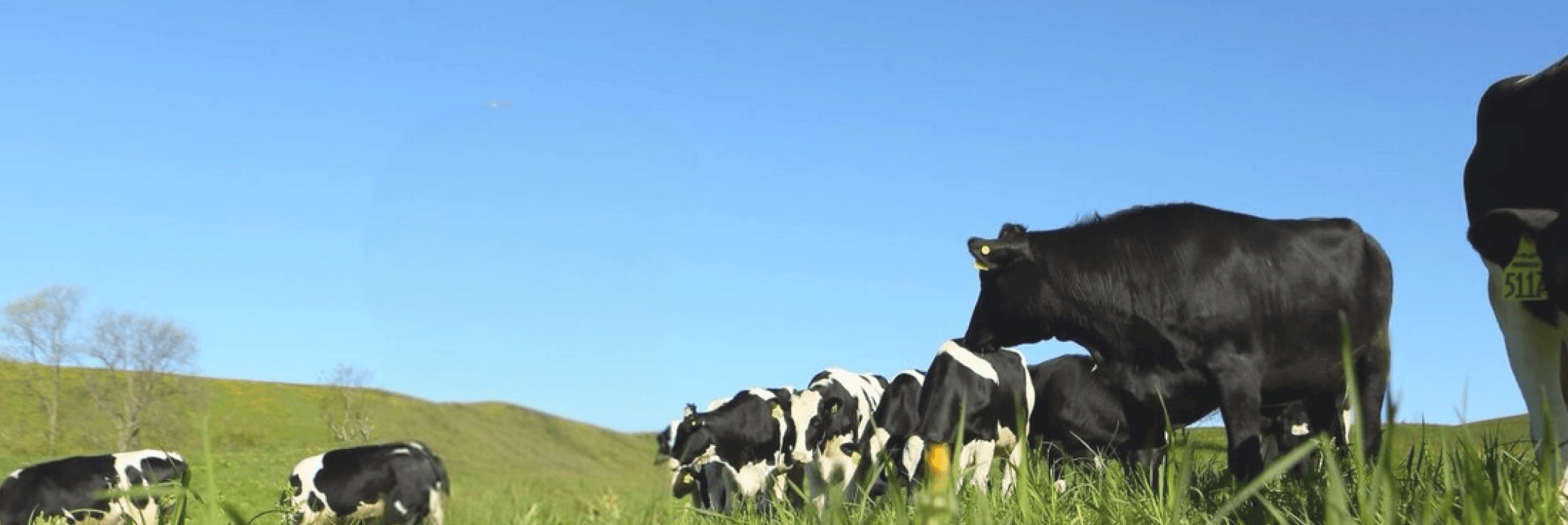
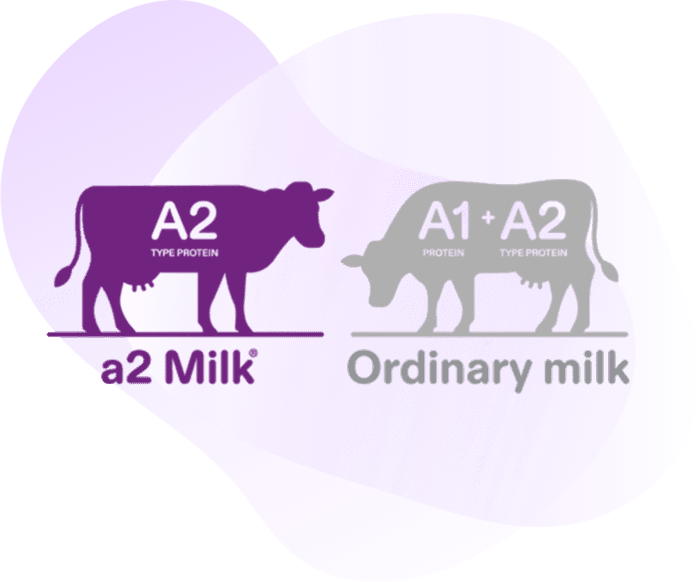
Unlike ordinary cow’s milk, a2 Milk® is sourced from cows that naturally produce milk containing only A2-type protein, and no A1. Cows are specially selected using a simple genetic test.
What is the difference between A1 and A2-type proteins?
Approximately 30% of the proteins in cows’ milk are called beta-casein. These proteins can be grouped into two types: A1 and A2-type based on a slight difference in their amino acid structure.
It is this difference that under normal digestive conditions causes A1 and A2-type proteins to be digested differently in the stomach in some people.

Why a2 Milk®?
The USDA Dietary Guidelines for Americans (DGA) recommend dairy as an excellent source of protein, healthy fats, vitamins and minerals.1 According to the 2025-2030 DGA Scientific Report, only about 12% of Americans meet the dairy intake recommendations.2 This may be due to a variety of factors, including self-reported milk intolerance and/or digestive discomfort with consumption of ordinary cow's milk.
A growing body of clinical research suggests that for some people, the A1 protein in ordinary cows’ milk may be the cause of these digestive issues. a2 Milk® naturally contains only A2-type protein and no A1. Some people who find that they experience digestive discomfort after drinking ordinary cow’s milk may be able to consume a2 Milk® and experience less digestive discomfort, meaning more people may be able to enjoy the nutrition and health benefits of cow’s milk.
Reference
[1] U.S. Department of Health and Human Services & U.S. Department of Agriculture. (2026). Dietary Guidelines for Americans, 2025–2030 (PDF). https://cdn.realfood.gov/DGA.pdf
[2] U.S. Department of Health and Human Services & U.S. Department of Agriculture. (2024). Scientific Report of the 2025 Dietary Guidelines Advisory Committee (Part D, Chapter 1, p. 12). https://www.dietaryguidelines.gov/sites/default/files/2024-12/Scientific_Report_of_the_2025_Dietary_Guidelines_Advisory_Committee_508c.pdf